
Understanding these different types of drunk criers can help us approach them with more empathy and provide appropriate support when needed. After all, crying, whether from the right eye or left, is a deeply human experience that deserves compassion, even (or especially) when alcohol is involved. Think of the time you snapped at a partner when getting ready for a job interview. The same goes for feeling irritable when you have chronic anxiety.
- It’s about building awareness and having a support system in place for when you need it most, so you can handle difficult emotions without letting them dictate your actions.
- When people are unable to stop or control their drinking, they may black out more often than others.
- The term “mean drunk” refers to someone who becomes aggressive, hostile, or belligerent when under the influence of alcohol.
- And you may need to take steps to stop or limit alcohol consumption.
My Boyfriend Has a Drinking Problem. Should I Leave Him?
When you drink alcohol, those inhibitions are lifted, and if you’re feeling angry, you’re more likely to express it and do so in an exaggerated way. It’s a common myth that alcohol is a truth serum, but it’s more like a magnifying glass for your current emotions. It doesn’t uncover a hidden personality; it distorts your feelings by narrowing your focus. This is why a minor annoyance can suddenly feel like a major crisis after drinking—your brain is temporarily less equipped to see the bigger picture and regulate your response. It’s one thing to manage your own feelings, but what happens when you’re on the receiving end of someone else’s alcohol-fueled anger? It can be a confusing, upsetting, and sometimes scary situation.
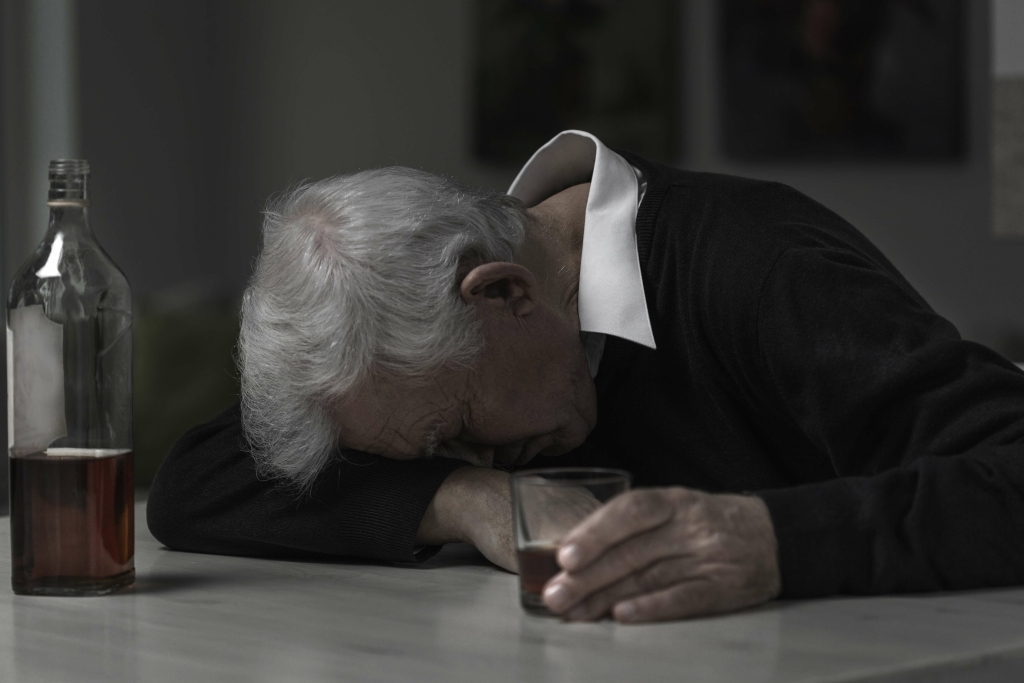
What Makes Someone More At Risk For Drunk Fighting And Aggression?

A comparative study on anger traits and alcohol-induced aggression confirms that many angry drunks are already naturally angry people. So if someone you know is normally short-tempered, this may explain why they display rage when drinking. Reducing your alcohol consumption can significantly lower the risk of aggressive behavior. Reflect on your relationship with alcohol and consider speaking to a healthcare professional https://modalhoki188.net/effects-of-alcohol-on-each-part-of-the-body/ if addiction is an issue.
How can I stop being aggressive when I drink?
Developing healthy alternatives to drinking is another crucial aspect of preventing mean drunk why do i get angry when drunk behavior. This might involve finding new hobbies, engaging in physical activities, or exploring sober social events. The key is to discover fulfilling ways to relax, socialize, and cope with stress that don’t involve alcohol. Several self-assessment tools can help identify problematic drinking patterns and tendencies towards aggression.

Why do I get angry at my partner when I drink alcohol?
The study included 67 undergraduate men who were engaged or currently dating someone. Someone who passes out has either fallen asleep or become unconscious because they consumed too much alcohol. They may seem articulate because most parts of the brain are alcohol tolerant. They can still eat, walk, hold conversations, drive — and get into fights. “If you carefully consider the consequences of your actions, it is unlikely getting drunk is going to make you any more aggressive than you usually are,” Bushman said. The ability to interpret social cues is important in how humans socialize.
TTM Psychology: Exploring Trichotillomania and Its Impact on Mental Health
For example, a shy person might become more outgoing and social when drunk, while someone who is ordinarily aggressive might become even more aggressive. If your boyfriend is willing to listen, you might suggest he seek treatment for his drinking problem. Many resources are available for people who want help, and seeking treatment can be essential in improving your relationship. Many people find themselves struggling with this same question. Our new blog post answers the most common questions about why partners get mad when their significant other drinks. By placing an extra step between your feelings and your actions, you can reduce the chances that you’ll do or say something you’ll later regret.
The prevalence of crying while intoxicated is more widespread than you might think. From college parties to wedding receptions, and even casual nights out with friends, alcohol-induced tears seem to be an almost inevitable part of social drinking culture. To understand this phenomenon, we need to take a closer look at how alcohol affects our brains and, consequently, our emotions.
Continue reading to learn more about the link between alcohol and anger, including which risk factors exist, how alcohol-related aggression can be dangerous and more. Halfway house By understanding how alcohol abuse influences your mood, you can learn to make positive choices instead of ones you may regret. In a study on how people manage anger, researchers discovered that self-focused rumination often worsened a person’s mood, but distractions helped diffuse negative emotion.
- Instead of letting your mind wander or drinking automatically, you pay close attention to the experience.
- This aggressive behavior may result in other issues, such as verbal abuse.
- By fostering understanding and empathy, we can turn potentially awkward or distressing situations into opportunities for connection, growth, and emotional healing.
- The first thing you can do is take care of your mental health and focus on maintaining a healthy and supportive relationship with him.
ou Have A Mood Disorder
I graduated from Towson University with my Bachelor’s Degree in Family and Human Services, with a track in Child life. I then pursued my Masters in Clinical Social Work at the University of Maryland, Baltimore, School of Social Work. While pursuing my masters, I also received my BCAT certification which allows me to work with clients with Autism. I have experience working with all age groups and backgrounds and have worked in hospitals, inpatient, outpatient, and partial hospitalization programs providing clinical social work services.

Leave A Comment